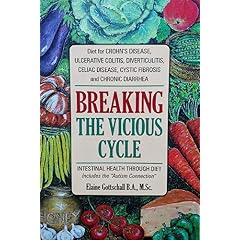
One of the most frustrating things a patient with IBD has to deal with on a regular basis involves the realm of "diet." I've read homeopathic sources that claim Colitis and its ilk arise as illnesses in certain populations because of an unhealthy diet. While an extremely unhealthy diet may lead to certain gastrointestinal issues, I would have to assume that there are many sufferers out there who have always had quite a healthy diet. This post is for you: oh fellow member of the club who dislikes the ceaseless conjecturing of family and friends -- "it must have been something you picked up when you were overseas" -- or -- "have you tried changing your diet" etc...
The issue of diet, for a patient of IBD, is a very touchy one. Like most, if not all, facets of IBD, diet is hyper-personal. One book will tell you to stay away from refined sugars and bread products, another source might tell you that dairy is your worst enemy. I cannot stress enough how there is no one answer for any question having to do with food, medicine, atmosphere, or personal well-being when the subject is IBD. What, then, in this amorphous milieu of careening symptoms and sickness can serve as foundation, as objectivity? Numbers.
The human body needs a certain amount of calories per pound to maintain its health and energy. Counting calories might be a good place to start. Especially if your IBD has flared, and you are losing weight. As always, I recommend taking advantage of the free tools available to you on the Internet. Let's look at NutritionData's calorie counter. I'll be back with a step-by-step setup process to track your diet using a few simple online tools. In the meantime, start playing with the calorie tracker here.